Building authority for your website has never been more delicate. Algorithms shift, penalties loom, and one careless link strategy can sabotage months of progress. Still, in the middle of all this volatility, one classic tactic persists—when executed with precision. Hidden inside the noise is a tactic that, used wisely, can strengthen your site’s reputation without drawing unwanted attention: web 2.0 backlinks.
Why Web 2.0 Properties Still Hold Influence
Although Google has tightened its grip on low-quality link schemes, high-authority platforms continue to pass trust, visibility, and indexing benefits when you publish thoughtful, value-driven content. The trick is avoiding the dusty “spam blog” blueprint from the old days. Today, these links only work if the properties you’re building on look natural, active, and real.
The Safest Way to Build Them in 2025
Craft each property like a micro-brand:
- Invent a distinctive voice that doesn’t mirror your main site.
- Write rich, useful paragraphs that inform or entertain rather than sell.
- Upload images, add videos, and format with headers so the page feels alive.
- Sprinkle outbound links to reputable sites to avoid a suspicious one-link structure.
- Update the property occasionally so it doesn’t stagnate.
The goal is to blend in, not trick anyone.
High-Authority Web 2.0 Platforms Worth Using
Some platforms naturally carry more weight due to their long-standing domain authority, massive user bases, and constant crawls. These remain excellent choices:
- WordPress.com – Versatile, customizable, and trusted for long-form writing.
- Medium.com – Built-in readers, clean formatting, and fast indexing.
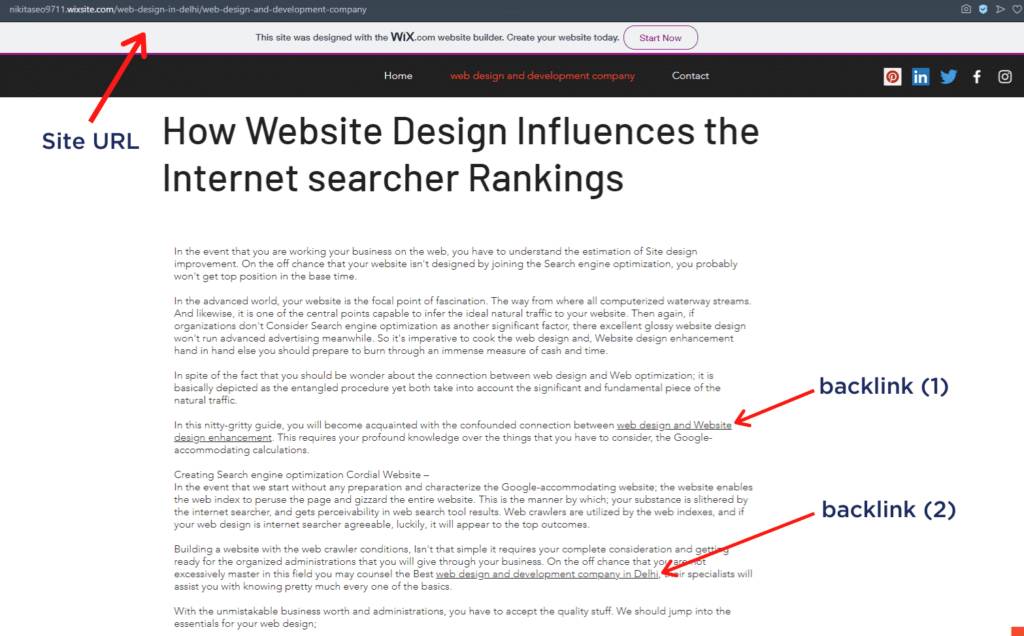
- Wix.com – Drag-and-drop simplicity and strong domain strength.
- Weebly.com – Easy site-building with reliable crawl frequency.
- Blogger.com – A Google-owned platform that bots never ignore.
- Site123.com – Quick to deploy with surprisingly solid authority.
- Jimdo.com – Simple, lightweight, and ideal for niche articles.
When you post on these platforms, keep your tone helpful, your page layout natural, and your link placement subtle.
Example of a Clean, Natural Web 2.0 Style Link
Imagine writing a short guide on Medium about improving e-commerce conversions. Inside the article, after offering genuine advice, you place a single, calm link such as:
“For readers who want a deeper breakdown, I’ve prepared a full conversion-focused checklist on my main site.”
That link goes to your website—contextual, relevant, and free from pushiness.
Are Web 2.0 Backlinks Still Worth Using Today?
Absolutely—as long as you build them like real web pages, not link dumps. They help diversify your backlink profile, make your site appear more natural, and provide foundational authority that pairs well with editorial links, guest posts, and digital PR.
Their strength lies in quality over quantity. A handful of polished, well-maintained properties can outperform dozens of hollow ones.
If you use them strategically—patiently, thoughtfully, and with genuine value—these platforms can still become a quiet but reliable engine for long-term search performance.