Search engine optimization has evolved into a battlefield where subtlety wins and reckless scaling gets erased. Among the older tactics that refuses to fully die, one method still gets attention from practitioners who understand nuance over noise. When used correctly, web 2.0 backlinks can still act like quiet supporting signals that reinforce topical authority without screaming manipulation.
But the difference between value and waste is no longer about quantity—it’s about architecture, patience, and how naturally everything blends into a broader content ecosystem.
Why this tactic hasn’t completely vanished
Even with modern algorithm updates, search engines still interpret cross-domain references as part of trust mapping. When multiple independent-looking pages mention or reference a topic, it creates a faint pattern of legitimacy.
The catch is that algorithms now evaluate whether those pages feel alive. Thin, repetitive content gets ignored or discounted. Rich, layered pages that read like real publishing efforts still pass some level of contextual weight.
So the tactic survives—not because it’s powerful alone, but because it can contribute to a larger credibility structure when done correctly.
The safe way to build these assets without raising red flags
The first rule is deceptively simple: never build them like you’re building links.
Instead, think in terms of micro-publications. Each page should feel like it belongs to a different writer, topic angle, or editorial voice. That means:
- Unique writing style per property
- Distinct topic focus per page
- No duplicated structures or recycled intros
- Real content depth before any outbound referencing
Publish several meaningful articles first. These should be useful even without SEO intent—guides, commentary, or explanatory pieces that stand on their own.
Only after that foundation exists should you introduce outbound references, and even then, they should appear naturally inside sentences rather than isolated in footers or obvious promotional blocks.
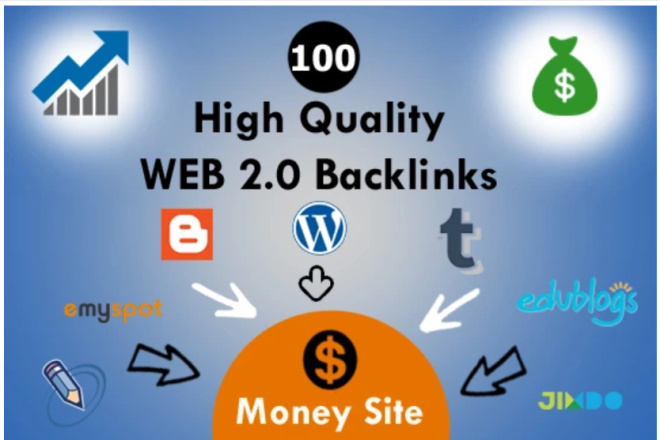
Platforms commonly used for publishing authority-style pages
These platforms remain popular because they allow indexable content creation and carry relatively strong trust signals:
- WordPress.com – Flexible publishing with strong indexing behavior
- Blogger – Fast Google crawling and simple setup
- Medium – Editorial-style ecosystem with high domain credibility
- Tumblr – Lightweight publishing with frequent crawl activity
- Wix – Structured site builder with indexable pages
- Weebly – Stable hosting with easy content creation
- Substack – Newsletter publishing that can still surface in search
Each platform behaves differently in how it distributes visibility, so spreading content across multiple ecosystems creates a more natural-looking footprint.
A realistic example of a backlink in action
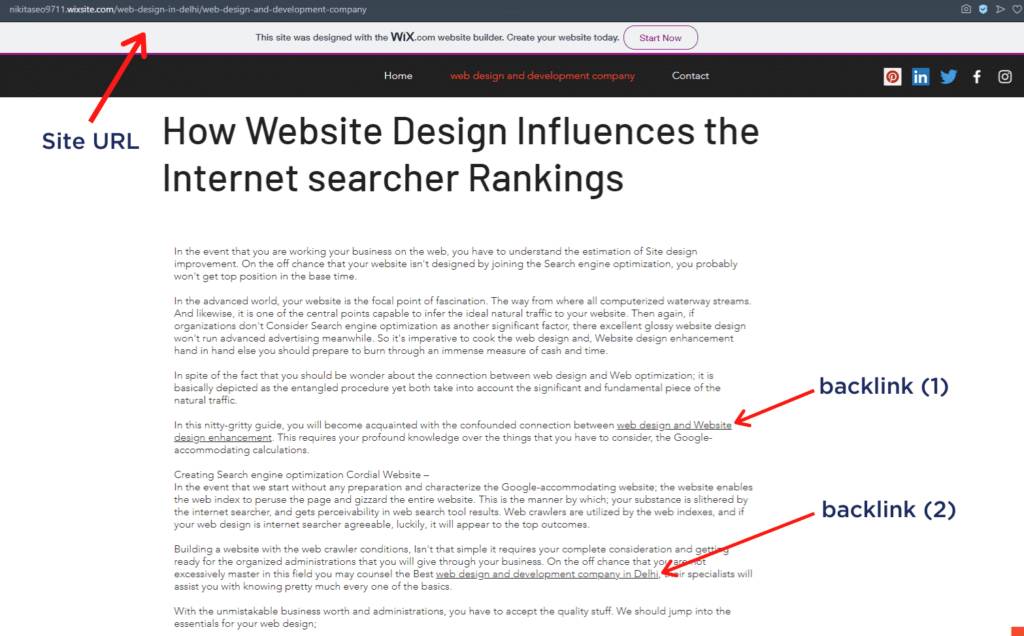
Picture a long-form article about content strategy. Within a paragraph discussing authority building, you might see a sentence like:
“Marketers often strengthen early discovery signals by studying foundational resources that explain how topical clusters influence ranking stability.”
The link in this case is embedded within informational writing. It doesn’t interrupt flow, it doesn’t scream promotion, and it feels like a citation rather than a tactic.
That subtle placement is what separates credible publishing from obvious manipulation.
Where the keyword naturally fits in real execution
In practical SEO campaigns, strategists often experiment with layered publishing structures. Within those discussions, the concept of web 2.0 backlinks appears as part of broader link diversification planning, especially when supporting newer domains that still need early indexing reinforcement.
The key is restraint—mentioning or using the concept sparingly while focusing most effort on content quality and ecosystem diversity.
Are these still worth the effort today?
The honest answer is: partially, but not as a primary driver.
They rarely produce dramatic ranking jumps on their own anymore. Search engines now prioritize stronger signals like editorial mentions, brand citations, and organically earned references from real websites with traffic and engagement.
However, they can still play a supporting role in specific cases:
- Helping new domains get indexed faster
- Reinforcing niche relevance across multiple sources
- Diversifying backlink profiles
- Supporting early-stage SEO campaigns with low authority
Think of them as background scaffolding—not the structure itself, but something that helps hold things steady while stronger signals are built.
Final verdict
This web 2.0 backlinks strategy has shifted from being a growth hack to a supplementary reinforcement method. Its effectiveness now depends entirely on execution quality, content authenticity, and whether each page could exist independently without any SEO agenda behind it.
Handled carefully, it can still contribute to a layered authority profile. Handled poorly, it becomes invisible clutter that search engines quietly ignore.